SR Integrated Health & Wellness · Skin Lesion Journal
After CryoPen: Healing, Aftercare and Repeat Treatments
What to ask about recovery, caring for the treated area and whether another session may be needed.
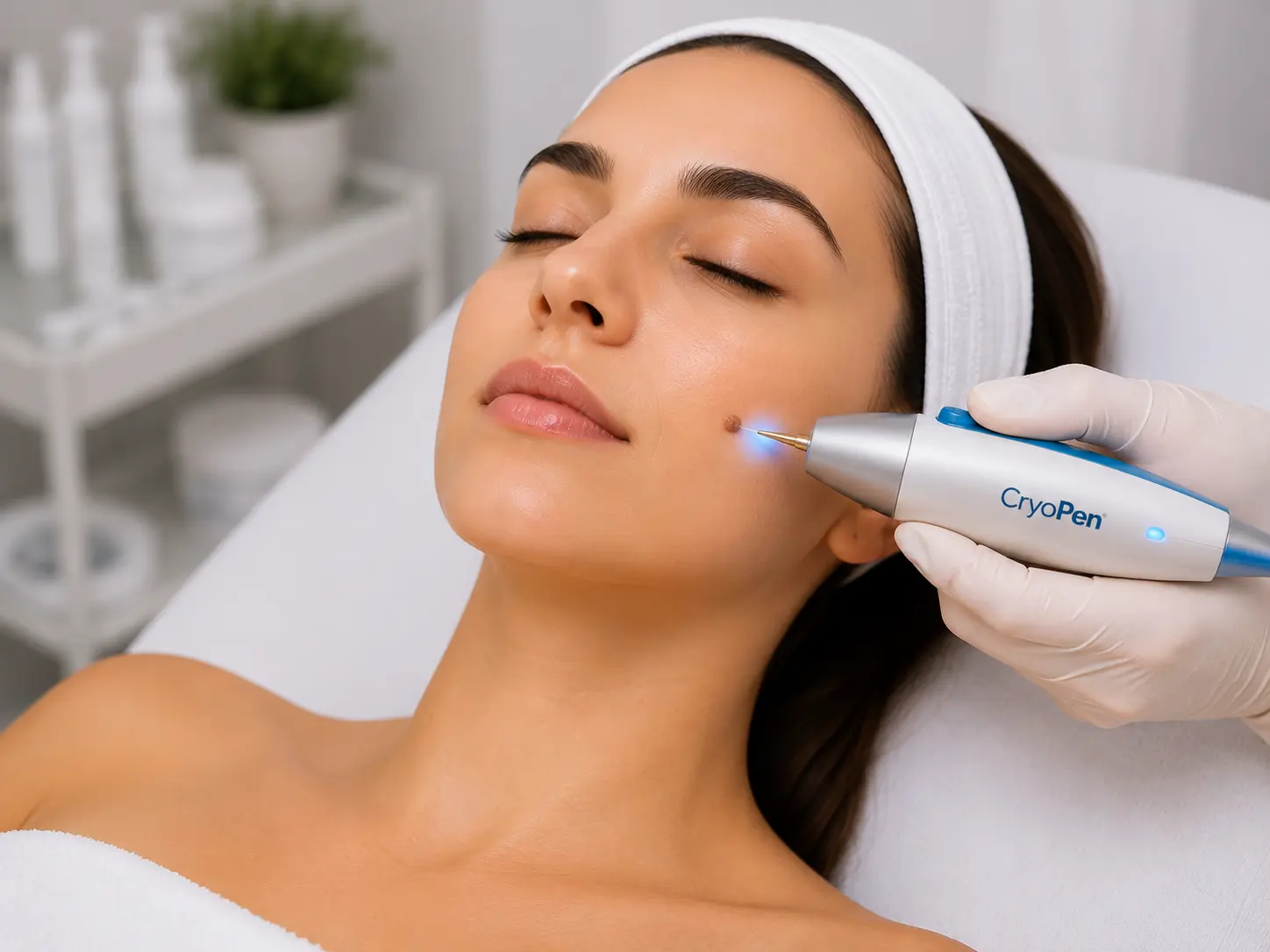
When considering CryoPen, it helps to think beyond the appointment itself. Ask what the treated area may look like afterwards, how to care for it and when the result should be reviewed. Our CryoPen treatment page explains the service offered at SR Integrated Health & Wellness in Hartlepool.
What can happen after freezing?
Cryotherapy uses cold to treat a selected area of skin. Tenderness, swelling, redness and blistering can follow. A crust or scab may then develop. The reaction varies with the lesion and treatment site, and redness may be less visible on darker skin.
Healing may take several weeks, with some sites taking longer. Do not assume that an area which has not yet settled needs immediate retreatment. Let the clinic advise when a review is appropriate.
How should I care for the area?
- Follow the aftercare instructions given for your treatment.
- When advised to wash the area, do so gently and pat it dry.
- Allow crusts to come away naturally; avoid picking or scratching.
- Ask whether a dressing is useful where clothing or footwear may rub.
- Do not puncture a blister without medical advice.
Plan ahead if the treatment site is likely to rub against a collar, waistband or shoe. At your consultation, explain your usual activities so that you can discuss any practical adjustments and the instructions to follow during healing.
Does CryoPen leave a mark?
Scarring and lighter or darker skin colour are possible after cryotherapy. Some colour changes can persist. Discuss your skin type, the site and the cosmetic trade-offs before treatment; an outcome without a visible mark cannot be promised.
Will I need another appointment?
A lesion may not fully respond, or it may return. Repeat treatment or a different approach can sometimes be needed. The number of sessions should be discussed after assessment and reviewed according to the response, rather than promised in advance.
For wart or verruca concerns, our Wart & Verruca Treatment page explains the assessment pathway. Ask how a review fits into your proposed plan and how any additional appointment costs will be explained.
When should I ask for help?
Increasing pain, swelling or redness, or discharge from the treated area, needs advice from the treating clinician or your GP. If you are worried about how an area is healing, ask for advice rather than applying another removal treatment yourself.
What should I ask before booking?
Write down your main questions: is the lesion suitable, what method is proposed, what aftercare will I receive, and when should I contact the clinic? Bring details of previous treatments and tell us about medication and relevant medical history.
Not every lesion is suitable for cosmetic freezing. Visit our Skin Lesion Clinic page for the available pathways. Changing or otherwise concerning lesions need medical assessment before cosmetic treatment is considered.
Book a Skin Lesion AssessmentFurther reading: British Association of Dermatologists: cryotherapy · NHS hospital cryotherapy aftercare. These explain general cryotherapy; your clinician’s instructions apply to your individual CryoPen treatment.