SR Integrated Health & Wellness · Skin Lesion Journal
What Is Map My Mole? How Image Review Helps Guide Your Next Step
What the service offers, what a report can tell you and why assessment comes before cosmetic removal.
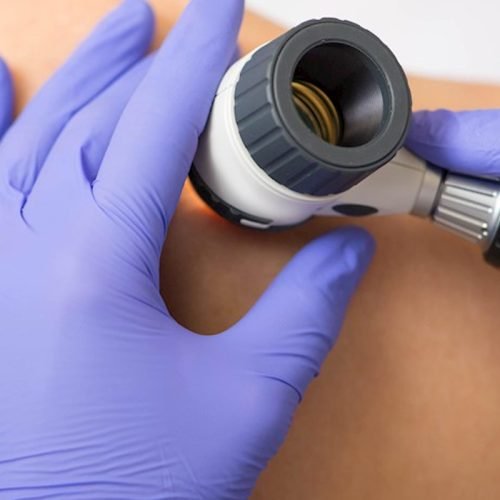
When you have a question about a mole or another skin lesion, understanding the assessment pathway can make the next step clearer. Map My Mole provides an image-based opinion from a UK consultant dermatologist. At SR Integrated Health & Wellness in Hartlepool, we discuss this option where clinically appropriate.
How does Map My Mole work?
Images and relevant information about selected lesions are submitted for consultant review. The service provides a report to help guide what should happen next. This may include advice to seek an in-person medical assessment.
Before any submission at SR, we discuss suitability, consent, costs and how the report will be shared. Our Mole & Skin Lesion Assessment page explains the clinic’s pathway.
Is it the same as full-body mole mapping?
The service described on our website concerns selected lesions submitted for image review. It should not be assumed to include a full-body examination or an ongoing photographic record of every mole. Discuss the scope of the appointment before booking so that you know what is being assessed.
Can a report rule out skin cancer?
No. An image-based opinion has limitations. Map My Mole does not provide a definitive cancer diagnosis or replace an in-person medical assessment when that is needed. A biopsy and laboratory examination may be required to establish a diagnosis.
A report should guide the next step, not be treated as permission for cosmetic removal. If the advice is to see your GP or a dermatologist, follow that advice. Do not use cosmetic freezing or another removal method to avoid further investigation.
What should I do about a changing lesion?
Seek GP advice about a mole that changes size, shape or colour, becomes itchy or painful, or is bleeding, inflamed or crusty. A new or unusual mark that persists also needs checking. Do not wait for a private cosmetic appointment if you are concerned.
A reassuring opinion about one lesion at one point in time does not mean later changes can be ignored. Seek further medical advice if you notice a change afterwards.
Questions to ask at your appointment
- Which lesion or lesions will be assessed?
- Is image review suitable for my concern?
- What information and consent are needed?
- How will I receive the report, and what should I do with it?
- What costs apply, and what follow-up might be required?
Bring previous reports and any photographs that show a change over time. Tell the clinician about symptoms, previous treatment and relevant medical history. If you have several concerns, explain that when arranging the appointment rather than assuming they are all included.
Assessment first at SR
Our Skin Lesion Clinic starts with assessment before considering treatment of a suitable benign lesion. Additional review or advice to use a medical pathway may be the appropriate outcome. Removal is a separate decision.
Book a Skin Lesion AssessmentFurther reading: Map My Mole: how the service works · Map My Mole: service limitations · NHS: changes that need checking. General information; individual assessment guides your next step.