

SR Integrated Health & Wellness · Treatment Journal
HIFU Face vs Body: Different Areas, Different Treatment Goals
How treatment goals differ for the face, neck and body—and why your plan needs to match the area.
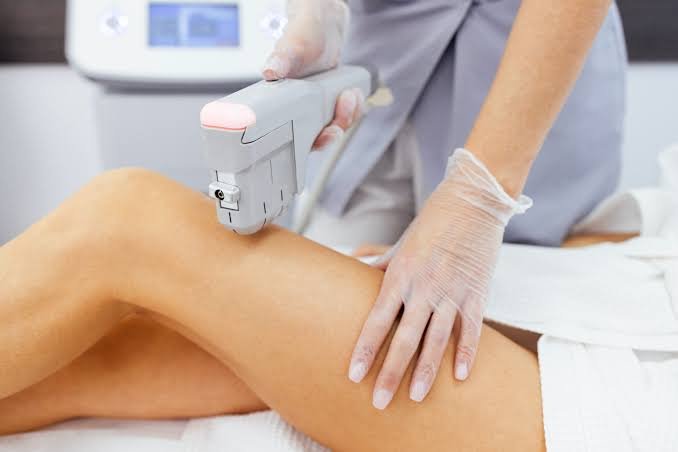
HIFU is used in treatments for both the face and the body, but the appointments should not be thought of as interchangeable. The area, tissue characteristics and intended result influence the plan. Start by describing what concerns you rather than asking for the same settings or outcome as someone else.
What is HIFU?
HIFU stands for high-intensity focused ultrasound. It delivers focused energy beneath the skin at selected depths. In skin-tightening treatments, the aim is to encourage a collagen response and gradual improvement in firmness. The outcome depends on the device, the area and the individual.
What are the goals for the face and neck?
At SR Integrated Health & Wellness in Hartlepool, our HIFU Face & Neck treatment is discussed for concerns such as reduced firmness around the lower face, jawline and neck.
The intended improvement is in the appearance of laxity and definition. HIFU does not add volume in the way a filler does. It should not be expected to reproduce the result of a surgical facelift or remove substantial excess skin.
What are the goals for the body?
Our HIFU Body treatment focuses on suitable concerns around firmness, laxity and body contour. The proposed area and goal are agreed after assessment.
Be specific about whether you are concerned by loose skin, a localised contour or uneven texture. These are different issues and may call for different approaches. The word “body” does not mean that every area is suitable or included in an appointment.
Is body HIFU the same as ultrasound cavitation?
The treatments use ultrasound terminology but should not be treated as identical. At SR, HIFU Body and Body Sculpting & Radiofrequency are described as separate services. The latter combines ultrasound cavitation, radiofrequency and vacuum massage. Ask which method is proposed and what it is intended to address.
When might changes become visible?
Non-surgical ultrasound tightening generally produces gradual, modest changes rather than an instant surgical lift. It may take months to assess the effect. Results vary, and further treatment may be discussed according to your response.
Agree review points and the likely cost before starting. Avoid judging a treatment by an immediately posed photograph or assuming that another person’s course will be right for you.
What should I ask about suitability and risks?
Tell the clinician about medical conditions, medication, implants and previous procedures in the area. Energy-based treatments have risks; discomfort, skin reactions, burns and other complications can occur depending on the method. Discuss the risks and aftercare for the specific device and area being treated.
- Which area and concern is this plan intended to treat?
- What degree of improvement is realistic?
- Why is HIFU appropriate compared with another option?
- What recovery, aftercare and review will I need?
- What is the proposed cost, including any further sessions?
Read the relevant face and neck or body treatment information before discussing your goals at consultation.
Book a ConsultationFurther reading: American Academy of Dermatology: non-surgical skin tightening · FDA: body contouring technologies and risks. General information; device-specific assessment determines suitability.