

Laser Fungal Nail Treatment
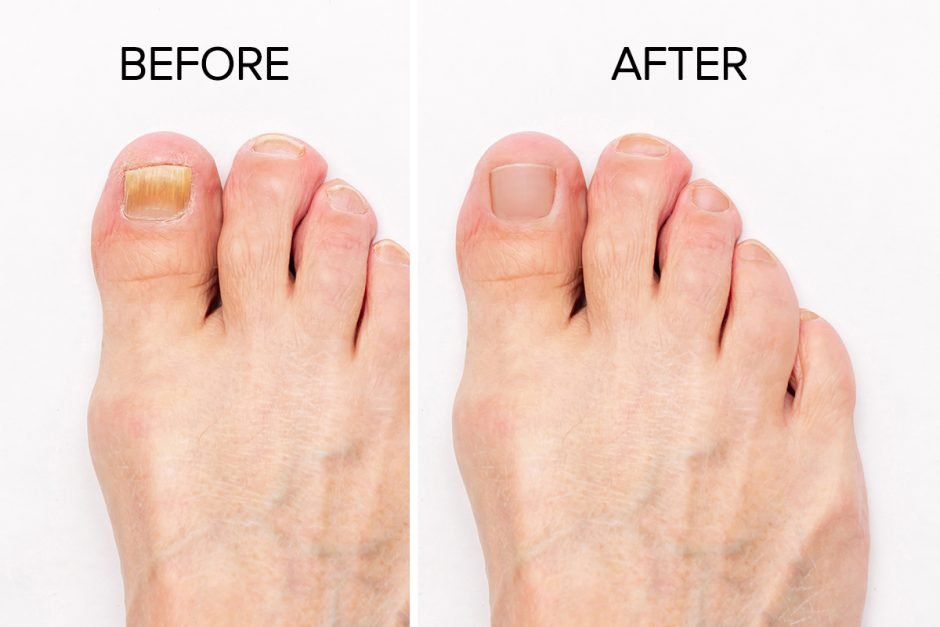
Fungal nail infection, also known as onychomycosis, is a common condition that can cause nails to become discoloured, thickened, brittle or distorted.
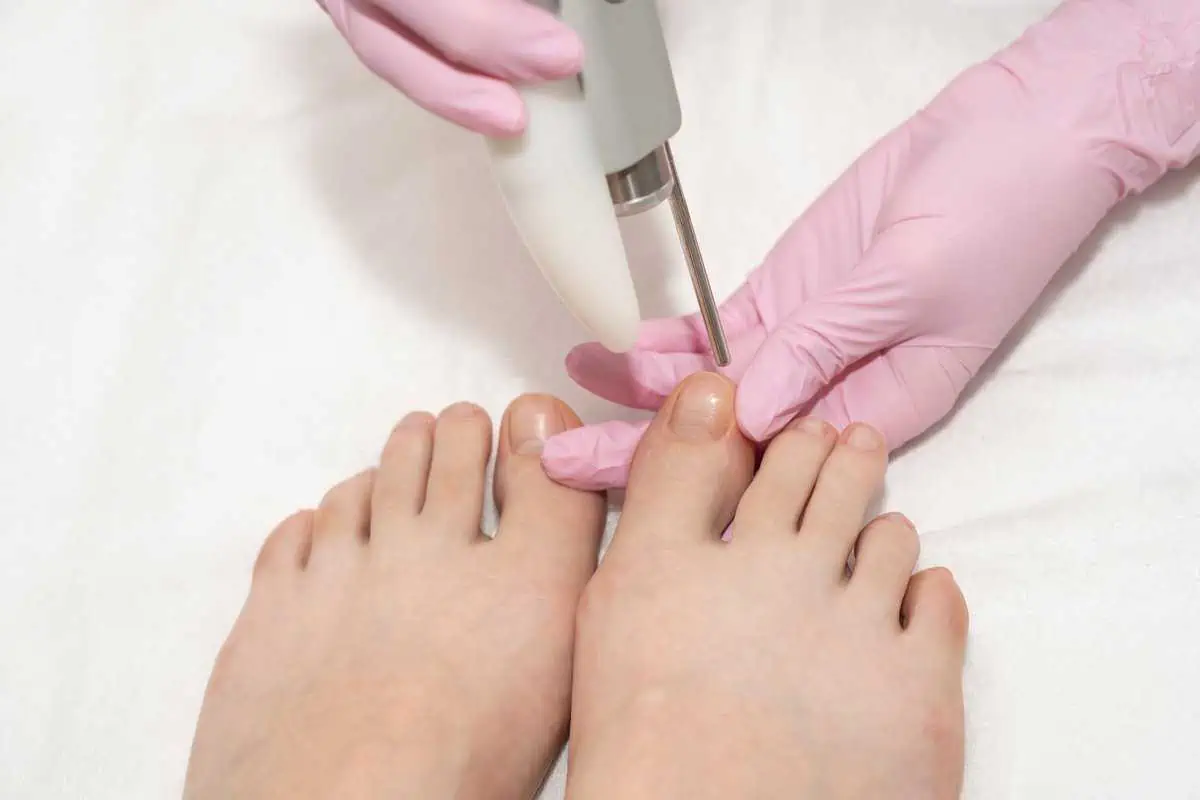
Laser fungal nail treatment is a non-surgical option that uses controlled laser energy delivered through the nail and nail bed as part of the management of suitable fungal nail concerns.
At SR Integrated Health & Wellness Clinic, we assess the affected nails before recommending treatment because not every abnormal-looking nail is caused by a fungal infection.
Signs of a Fungal Nail Infection
Possible signs can include:
- Yellow, white or brown discolouration
- Thickening of the nail
- Brittle or crumbly nails
- Distortion of the nail shape
- Debris beneath the nail
- Separation of the nail from the nail bed
- More than one nail becoming affected
These changes can also occur for other reasons, so assessment is important.
How Does Laser Treatment Work?
Laser energy is delivered through the nail plate into the affected area.
The aim is to create a controlled thermal effect while preserving the surrounding tissue.
Treatment does not instantly replace the damaged nail. Any improvement depends upon healthier-looking nail gradually growing forwards following treatment.
What Happens During Treatment?
Your nails will first be assessed and prepared as appropriate.
The laser is then systematically applied across the affected nail and surrounding treatment area according to the required protocol.
Patients commonly experience warmth during treatment.
Appointment length depends on the number of nails requiring treatment.
Does the Damaged Nail Disappear Immediately?
No.
Toenails grow slowly, so even where treatment is successful, visible improvement takes time.
The existing damaged nail must gradually grow out and be replaced by new nail growth.
This means results should be assessed over a period of months rather than immediately after treatment.
How Many Treatments Will I Need?
The number of treatments required varies according to the severity and extent of the nail changes and individual response.
A course may be recommended rather than relying on a single treatment.
We will discuss your treatment schedule following assessment and monitor the nail as it grows.
Looking After Your Feet & Nails
Laser treatment is only one part of managing fungal nail problems.
Reducing the chance of reinfection is also important.
Depending on your individual circumstances, advice may include:
- Keeping feet clean and dry
- Changing socks regularly
- Allowing footwear to dry thoroughly
- Avoiding sharing nail tools
- Cleaning or replacing contaminated nail equipment
- Managing athlete’s foot if present
- Following appropriate nail-care advice
You will receive relevant guidance as part of your treatment plan.
Is Every Thick or Discoloured Nail Fungal?
No.
Nail changes can have several causes, including trauma, inflammatory skin conditions and other nail disorders.
If the appearance or history is not consistent with a straightforward fungal nail concern, we may recommend further assessment or confirmation of the diagnosis before treatment.
Can Results Be Guaranteed?
No treatment can guarantee restoration of a completely normal nail.
Response can vary depending on factors including the extent of infection, duration of the problem, nail growth, general health and the presence of reinfection.
We will discuss realistic expectations before starting treatment.
Consultation & Suitability
Before treatment we will assess the affected nails and discuss relevant medical history, medications, previous treatments and how long the problem has been present.
If there is uncertainty about the cause of the nail changes or another condition is suspected, we may recommend appropriate medical assessment rather than proceeding directly with laser.
Aftercare
Following treatment you will receive appropriate nail and foot-care advice.
Good hygiene and reducing opportunities for reinfection are important throughout the treatment period while the new nail grows.
Start With an Assessment
If you have a thickened, discoloured or damaged-looking nail, you don’t need to know whether laser is the right treatment before booking.
We can assess the concern first and discuss whether laser treatment is appropriate or whether another assessment or treatment pathway would be more suitable.