

SR Integrated Health & Wellness · Treatment Journal
PRP for Thinning Hair: What Can You Realistically Expect?
Understanding suitability, treatment courses and the importance of finding the cause of hair loss.
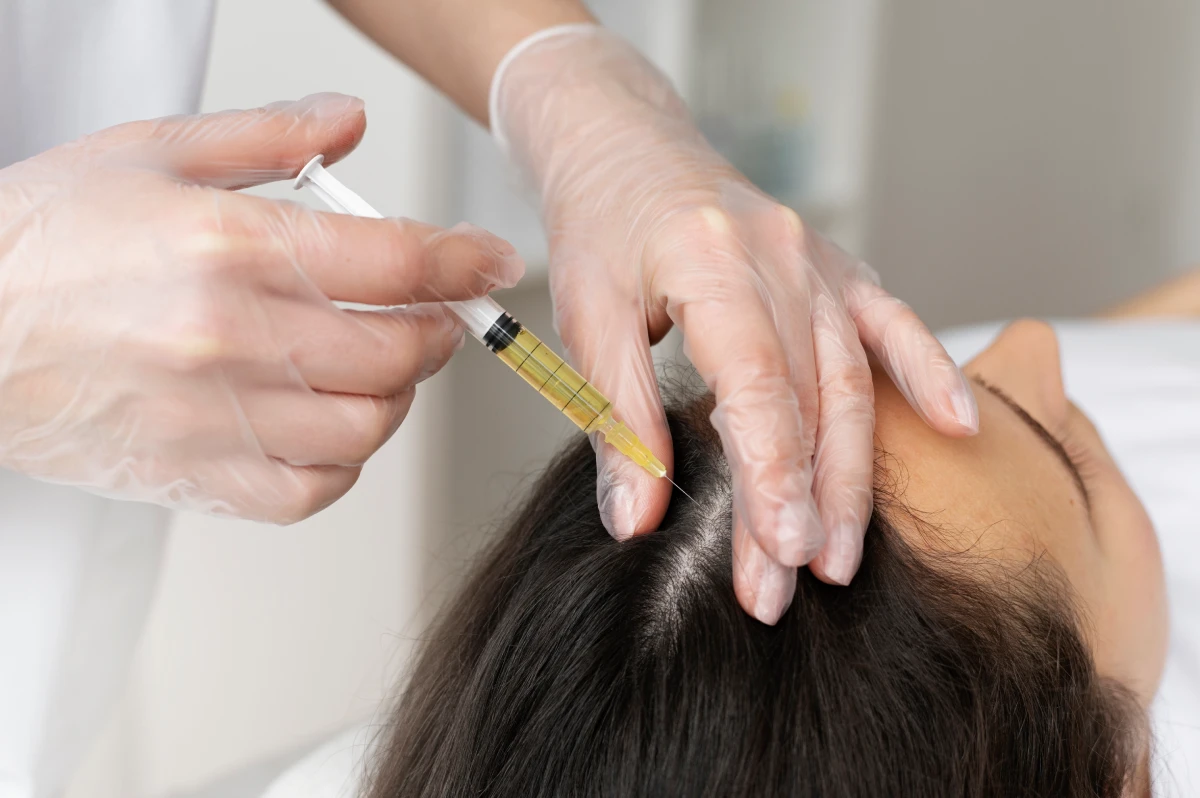
Noticing more scalp through your hair or a change in your usual hairline can be unsettling. PRP is one option you may encounter when looking for help, but the first step is understanding why the thinning is happening. Different causes require different approaches.
Start with the cause of hair loss
The NHS recommends speaking to a GP about the cause of hair loss before going to a commercial hair clinic. Hair loss can be hereditary, but illness, stress, weight loss and iron deficiency can also contribute. If you are worried, arrange a GP assessment rather than assuming PRP is the answer.
Make a note of when the change began, whether it is gradual or sudden, any scalp symptoms and recent changes in your health or medication. This history is useful when discussing the appropriate next step.
What is PRP hair treatment?
Platelet-rich plasma is prepared from a sample of your own blood. The sample is processed to obtain a platelet-rich preparation, which is then injected into selected areas of the scalp. It is a procedure involving blood collection and injections, rather than a topical hair product.
At SR Integrated Health & Wellness in Hartlepool, our PRP Skin Rejuvenation & Hair Treatment page explains the consultation and treatment process. For hair concerns, suitability is assessed individually.
Who might benefit?
PRP may help some people with male or female pattern hair loss. Research suggests potential improvements in hair growth or density, but results and treatment protocols vary. Evidence does not establish that it works for every type of thinning, and some areas of the evidence remain limited.
A consultation should explain why PRP is being considered for your particular concern, what alternatives exist and whether further medical investigation is needed first.
What results should I expect?
A full head of restored hair cannot be promised. Changes may take months to assess, and some people may not obtain a worthwhile improvement. Ask what would count as a useful result in your case and how that will be measured.
Discuss comparable photographs and planned review points before treatment. An early photograph taken in different lighting or with different styling can make progress difficult to judge.
Will I need a course or maintenance?
Repeat sessions and maintenance may be discussed. The interval and number should be agreed for your situation rather than copied from someone else’s plan. Ask about the cost of the proposed course, what a review involves and how the decision to continue will be made.
What should I discuss before deciding?
- Has the likely cause of my thinning been assessed?
- Why is PRP appropriate, and what are the alternatives?
- What are the risks of blood collection and scalp injections?
- What recovery and aftercare should I plan for?
- When will progress be reviewed, and what happens if there is little benefit?
Tell the clinician about your medication, medical conditions and previous hair treatments. Do not stop prescribed medication to prepare for treatment unless your prescribing clinician advises it.
Once the cause and suitability have been considered, read our PRP treatment information and discuss a personalised plan.
Book a ConsultationFurther reading: NHS: hair loss · American Academy of Dermatology: hair loss treatment · British Association of Dermatologists: female pattern hair loss. General information; PRP is not appropriate for every cause of hair loss.