

SR Integrated Health & Wellness · Treatment Journal
RF Microneedling vs Traditional Microneedling: What Is the Difference?
Two approaches to skin texture and firmness, with different treatment methods and individual suitability.
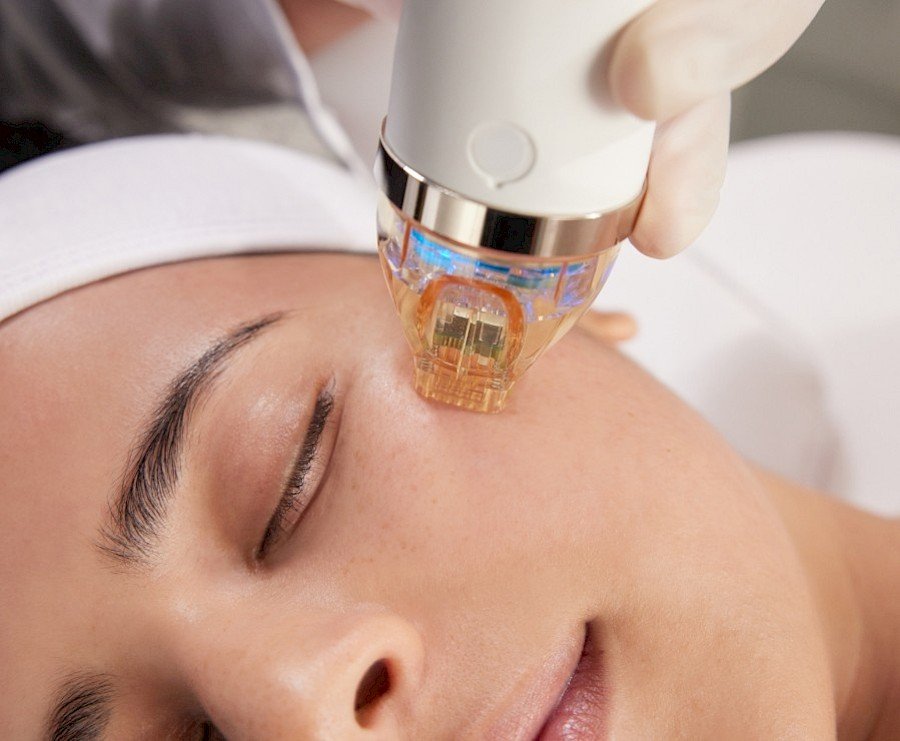
Microneedling and RF microneedling can sound like versions of the same treatment. They share the use of fine needles, but RF adds another form of energy. Understanding that difference helps you ask useful questions rather than choosing a treatment simply because it sounds more powerful.
What does traditional microneedling do?
Professional microneedling makes small punctures in the skin to encourage a repair response and collagen production. It may be considered for concerns such as acne scars, fine lines and uneven texture. The device, needle depth and treatment plan are selected for the area and the individual.
What does RF microneedling add?
Radiofrequency microneedling delivers RF energy through fine needles, creating heat at selected depths. At SR Integrated Health & Wellness in Hartlepool, our RF Microneedling treatment is offered following consultation for concerns around skin texture, firmness and quality.
Adding heat changes the treatment and its risk profile. RF should not automatically be assumed to give a better result for every person, scar or area of skin.
Which approach should I choose?
Start with your concern. Is it a particular scar, fine lines, uneven texture or reduced firmness? Ask the clinician to explain which approach fits that concern, what improvement is realistic and why another option might be preferable.
Suitability depends on more than the treatment name. Skin condition, medical history, medication, healing history, previous procedures and the planned device settings all matter. A consultation can also identify when treatment should be postponed or another assessment is needed.
What about recovery and risks?
Redness or a change in skin colour, sensitivity and swelling can occur after microneedling. Recovery varies, and the aftercare instructions should reflect the procedure performed. Infection, scarring and persistent colour changes are possible.
RF introduces heat-related risks. Serious complications reported with certain RF microneedling uses include burns, scarring, unwanted fat loss and nerve injury. Ask which device will be used, who will perform the procedure and how the benefits and risks apply to your proposed treatment.
How many sessions will I need?
A course may be discussed, but there is no single number that applies to everyone. Agree the intended course, review points, expected recovery and total cost before committing. Results develop over time, vary between people and cannot be guaranteed.
Questions to bring to your consultation
- Why is this approach appropriate for my particular concern?
- What device and treatment method will be used?
- What degree of improvement is realistic?
- What aftercare and time away from usual activities might I need?
- How will progress be reviewed, and whom should I contact if concerned?
For the treatment available at SR, read our RF Microneedling page. You can also explore our other treatments before discussing a personalised plan.
Book a ConsultationFurther reading: American Academy of Dermatology: microneedling · FDA: RF microneedling safety communication. General information; individual assessment determines suitability.