
Diode Laser Hair Removal
Diode laser hair removal is an advanced light-based treatment designed to achieve long-term reduction of unwanted facial and body hair.
Laser energy targets melanin within suitable hair follicles and converts it into controlled heat, damaging the follicle’s ability to produce hair while protecting the surrounding skin as far as possible.
Because hairs naturally grow through different stages and only a proportion are in the optimal growth phase at any one time, laser hair removal is performed as a course rather than a single treatment.
At SR Integrated Health & Wellness Clinic, treatment settings are individually selected following consultation and assessment of your skin and hair.
What Areas Can Be Treated?
Diode laser hair removal can be used on many areas of the face and body, including:
- Upper lip
- Chin
- Jawline
- Neck
- Underarms
- Arms
- Chest
- Back
- Abdomen
- Bikini area
- Brazilian/Hollywood areas
- Legs
- Other suitable areas
Treatment is available for both women and men following assessment.
How Does Diode Laser Hair Removal Work?
The laser delivers controlled energy that is preferentially absorbed by pigment within suitable hairs.
This energy is converted into heat within the follicle, helping to disrupt future hair growth.
The surrounding skin is protected using the device’s treatment and cooling systems.
Over a course, patients can experience a progressive reduction in the number, thickness and rate of growth of suitable treated hairs.
Why Do I Need a Course?
Hair grows in different stages.
Laser is most effective when suitable hair is in its active growth phase and connected to the structures we are trying to target.
Not every hair is in this stage simultaneously.
Repeated treatments at appropriate intervals allow us to target new groups of hairs as they enter the active growth phase.
How Many Sessions Will I Need?
There is no single number that applies to everybody.
Many patients require a course of treatments followed by occasional maintenance, but the number required varies according to:
- Treatment area
- Hair colour and thickness
- Skin type
- Hormonal influences
- Individual hair-growth cycle
- Previous hair-removal methods
- Individual response to treatment
We will monitor your progress throughout your course and adjust your treatment plan where appropriate.
Facial & Hormonal Hair Growth
Facial hair can behave differently from body hair.
Hormonal influences can contribute to hair growth on areas such as the chin, jawline and neck, meaning some patients require a longer course or ongoing maintenance.
Laser can reduce suitable hair but does not treat the underlying hormonal cause of excessive hair growth.
Where a pattern of hair growth suggests a possible underlying medical or hormonal issue, we may recommend appropriate medical assessment.
Which Hair Colours Respond?
Laser relies on pigment within the hair to absorb energy.
Darker, more heavily pigmented hairs generally provide a better target than very light hairs.
White, grey and some very blonde or red hairs may contain insufficient suitable pigment for effective laser treatment.
We will assess your hair before recommending a course rather than promising results for hair that is unlikely to respond.
What Happens During Treatment?
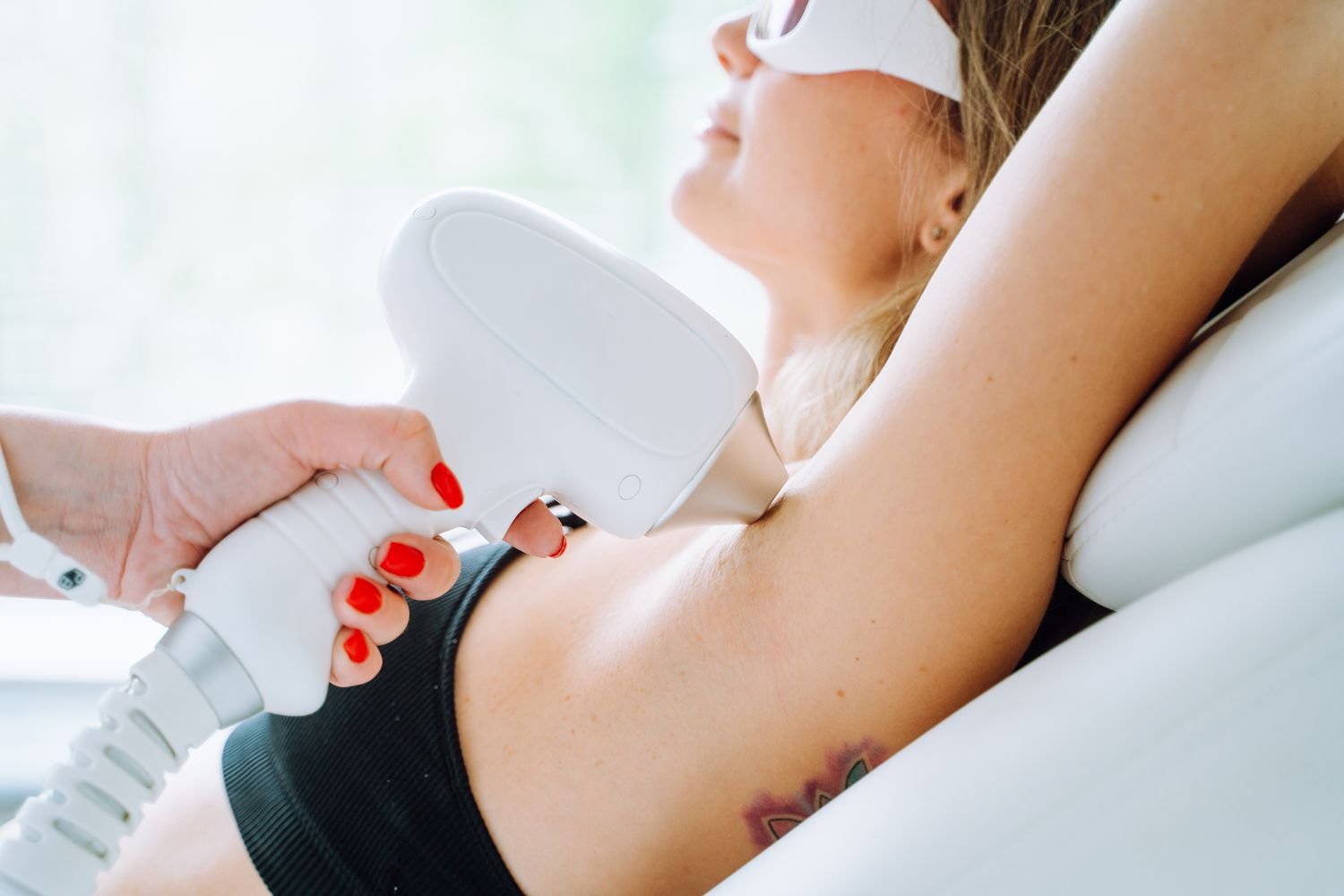
Following consultation and any required patch testing, the area is prepared and protective eyewear provided.
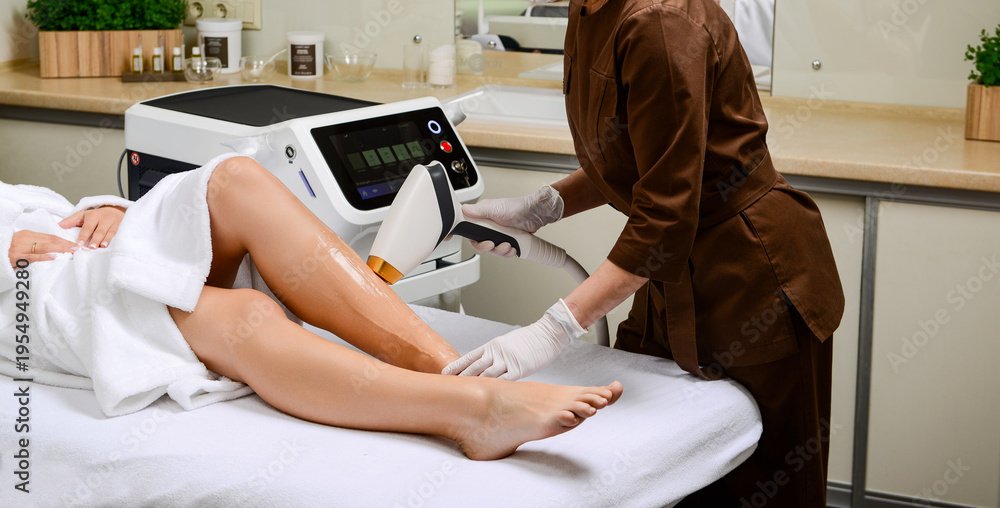
The laser handpiece is applied systematically across the treatment area while controlled pulses of energy are delivered.
You may feel warmth or a brief snapping sensation during treatment.
Appointment length depends on the size of the area being treated.
Shaving & Hair Removal Between Sessions
You will normally be advised to shave the treatment area according to your pre-treatment instructions.
Waxing, plucking and epilating remove the hair from the follicle and can interfere with the target required for laser treatment, so these methods generally need to be avoided during your treatment course.
Specific preparation instructions will be provided by the clinic.
What Happens After Treatment?
Temporary effects can include:
- Redness
- Warmth
- Mild sensitivity
- Slight swelling around individual follicles
Treated hairs do not necessarily disappear immediately. They may appear to continue growing before gradually shedding from the follicles following treatment.
Sun Exposure & Tanning
Sun exposure and tanning are particularly important considerations with laser treatment.
Recent tanning can affect treatment safety and increase the risk of unwanted skin reactions or pigment changes.
You should follow the clinic’s guidance regarding sun exposure and use appropriate sun protection throughout your treatment course.
Fake tan must also be managed according to your pre-treatment instructions.
Consultation & Patch Testing
Before starting laser hair removal, we will assess your:
- Skin type
- Hair colour and thickness
- Treatment area
- Medical history
- Medications
- Recent sun exposure
- Previous laser treatments
- Hair-removal history
Patch testing may be required before full treatment.
Settings are selected according to your individual assessment and adjusted throughout your course where appropriate.
Is Laser Hair Removal Permanent?
Laser hair removal is more accurately described as long-term hair reduction rather than a guarantee that every treated hair will permanently disappear.
A successful course can significantly reduce suitable hair growth, with remaining hairs potentially becoming finer or less noticeable.
Hormonal changes and other biological factors can also stimulate new hair growth over time, so maintenance treatments may sometimes be required.
Safety
Laser is a professional treatment and inappropriate use can cause complications including burns and unwanted pigment changes.
This is why consultation, appropriate settings, eye protection, skin assessment and adherence to pre- and post-treatment advice are important parts of your treatment.
Relevant risks and expected outcomes will be discussed before you begin your course.
Not Sure Whether Laser Will Work for You?
You don’t need to commit to a course before understanding whether your hair is suitable.
We can assess your skin, hair and treatment area first, discuss realistic expectations and recommend an appropriate treatment plan.