
Laser Pigmentation Treatment
Laser pigmentation treatment uses targeted light energy to reduce the appearance of suitable areas of unwanted pigmentation.
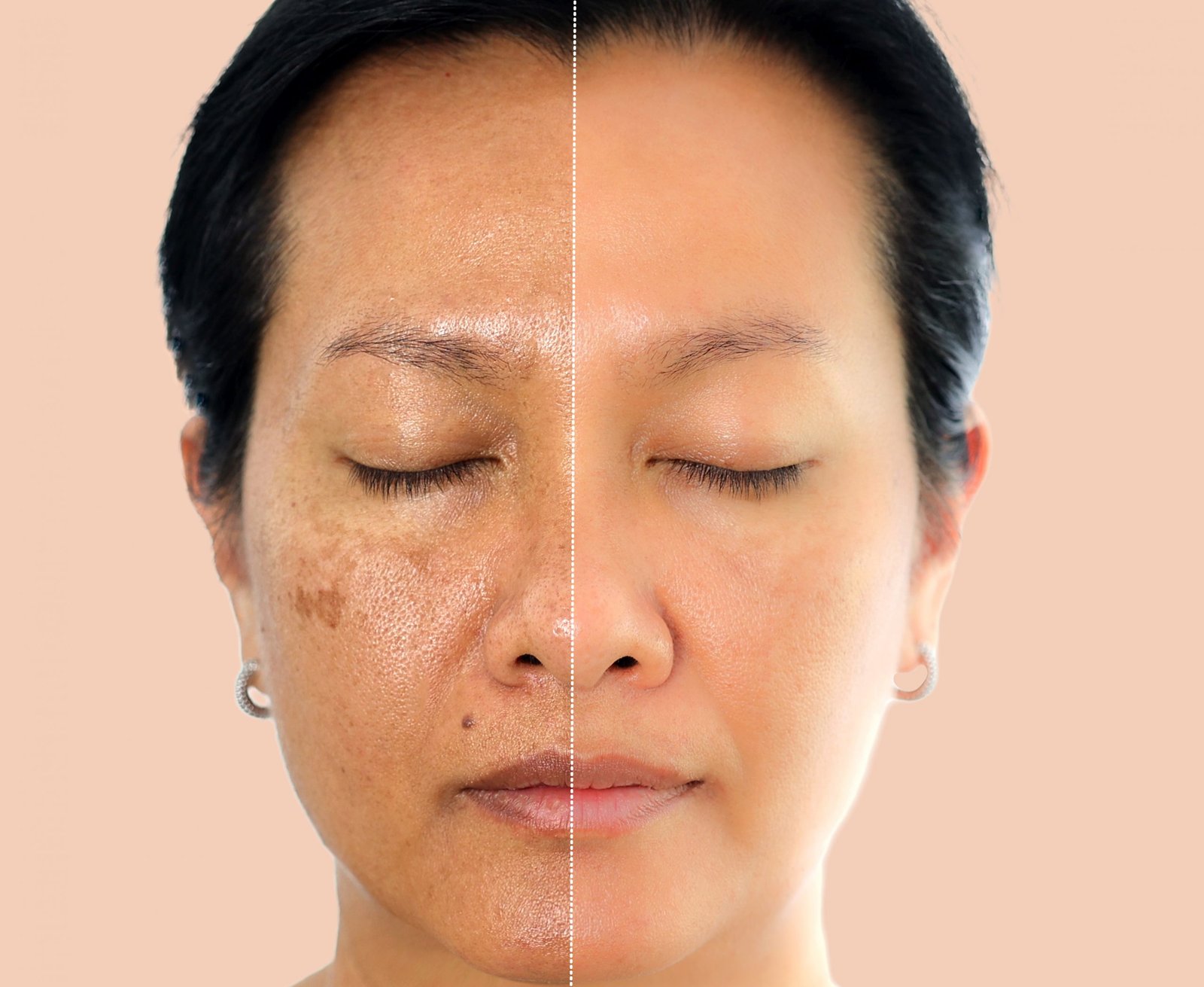
Pigmentation can develop for many different reasons, including sun exposure, ageing and the accumulation of melanin within particular areas of the skin.
Using carefully selected laser settings, pigment can be targeted while minimising unnecessary treatment of the surrounding skin.
At SR Integrated Health & Wellness Clinic, pigmentation is assessed before treatment because not every brown mark or pigmented lesion is suitable for cosmetic laser treatment.
What Can Laser Pigmentation Treatment Help With?
Following assessment, laser treatment may be suitable for concerns including:
- Sun spots
- Age spots
- Freckles
- Selected areas of superficial pigmentation
- Localised areas of excess pigment
- Some forms of sun-related pigmentation
- Uneven-looking skin tone associated with suitable pigmentation
The appropriate treatment depends on the type, depth and cause of the pigmentation.
How Does Laser Pigmentation Treatment Work?
Laser energy is delivered at wavelengths selected to target pigment within the skin.
The melanin within suitable pigmented areas absorbs the light energy, producing a controlled effect within the targeted pigment.
Following treatment, the pigmentation may initially become darker before gradually breaking down and becoming less visible as the skin recovers.
Treatment parameters are individually selected according to the pigmentation, treatment area and your skin.
What Happens During Treatment?
Your skin will first be assessed and prepared.
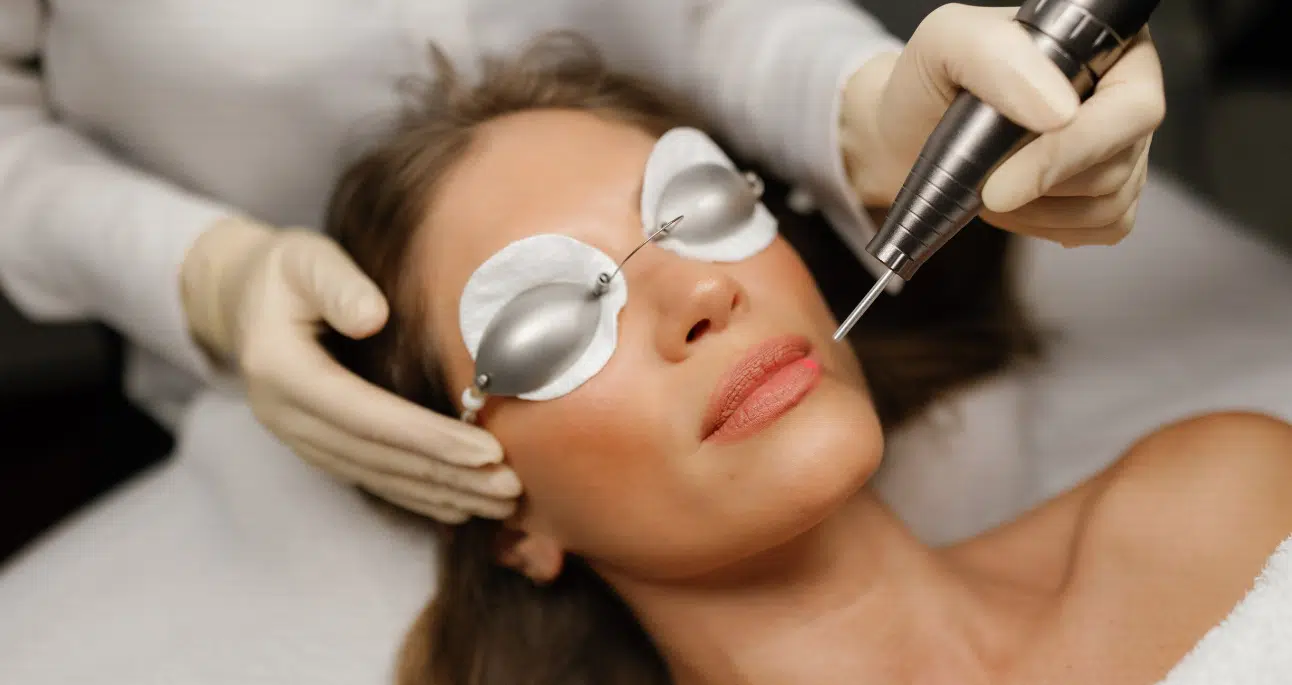
Protective eyewear is worn during treatment.
The laser handpiece is then used to deliver controlled pulses of energy to the selected areas.
Patients commonly describe a brief warm or snapping sensation as each pulse is delivered.
Treatment time depends on the number and size of the areas being treated.
What Happens to the Pigmentation Afterwards?
One of the most important things to understand is that pigmentation can look darker before it looks lighter.
Following treatment, targeted pigment may temporarily darken or develop a superficial crusted appearance.
Over the following days, the treated area gradually settles and the pigmentation may flake or fade.
You should not pick or scratch treated areas.
How Many Treatments Will I Need?
The number of treatments required varies considerably.
Some small superficial areas may respond noticeably to a limited number of treatments, while other pigmentation requires a course.
Results depend on factors including the type and depth of pigment, treatment area, skin type and individual response.
Your progress will be reviewed before further treatment is recommended.
Laser Pigmentation vs IPL
We offer both laser and IPL treatments for pigmentation.
They are not identical technologies.
Laser treatment can be particularly useful when precisely targeting selected areas of pigmentation.
IPL uses a broader spectrum of light and can be useful where pigmentation forms part of wider sun damage or where we are also trying to improve redness and overall skin tone.
Neither treatment is automatically better.
We will assess your pigmentation and recommend the technology most appropriate for your skin and concern.
What About Melasma?
Melasma is a complex pigmentation condition and requires careful assessment.
Heat, light exposure, hormones and other factors can influence it, and aggressive treatment can sometimes make pigmentation worse.
We therefore do not assume that every area of facial pigmentation should simply be treated with laser.
Where melasma or another complex pigmentation disorder is suspected, we will discuss the most appropriate management approach with you.
Pigmented Lesions & Moles
Not every pigmented lesion should be treated cosmetically.
Moles and lesions that are new, changing, unusual or otherwise concerning require appropriate assessment rather than simply being removed with a laser.
If we identify a lesion requiring further assessment, cosmetic laser treatment will not proceed.
Our Skin Lesion Assessment & Treatment service provides a pathway for assessment, including Map My Mole specialist reporting or onward referral where appropriate.
Patient safety always takes priority over cosmetic removal.
Is There Any Downtime?
Temporary effects can include:
- Redness
- Warmth
- Mild swelling
- Sensitivity
- Darkening of the targeted pigmentation
- Temporary crusting or flaking
The expected response varies according to the pigmentation and treatment settings used.
You will receive treatment-specific aftercare.
Sun Exposure & Pigmentation
Sun exposure plays an important role in many pigmentation concerns.
Laser treatment cannot prevent new pigmentation from developing.
Consistent sun protection is therefore an important part of both treatment and long-term maintenance.
Recent tanning can also make laser treatment inappropriate and increase the risk of adverse pigment changes.
Consultation & Patch Testing
Before treatment we will assess your:
- Pigmentation
- Skin type
- Medical history
- Medications
- Recent sun exposure
- Previous treatments
- Treatment goals
Patch testing may be required before a full treatment.
We will only proceed when the pigmentation and your skin are considered appropriate for laser treatment.
Risks & Pigment Changes
Laser treatment carries potential risks.
These can include temporary redness and swelling as well as unwanted changes in pigmentation.
Some skin types have a greater risk of post-inflammatory hyperpigmentation or hypopigmentation following treatment.
These risks will be discussed during your consultation and appropriate treatment parameters selected according to your assessment.
Which Pigmentation Treatment Do I Need?
You don’t need to decide whether you need laser, IPL, a chemical peel or professional skincare before booking.
Pigmentation has many different causes and treating it correctly starts with identifying what we are actually looking at.
We will assess your skin and pigmentation first and then recommend the most appropriate treatment pathway.