IPL Skin Rejuvenation & Advanced Skin Treatments
Intense Pulsed Light (IPL) is an advanced light-based treatment that can target a range of common skin concerns including acne, unwanted pigmentation, redness, visible superficial vessels, sun damage and signs of skin ageing.
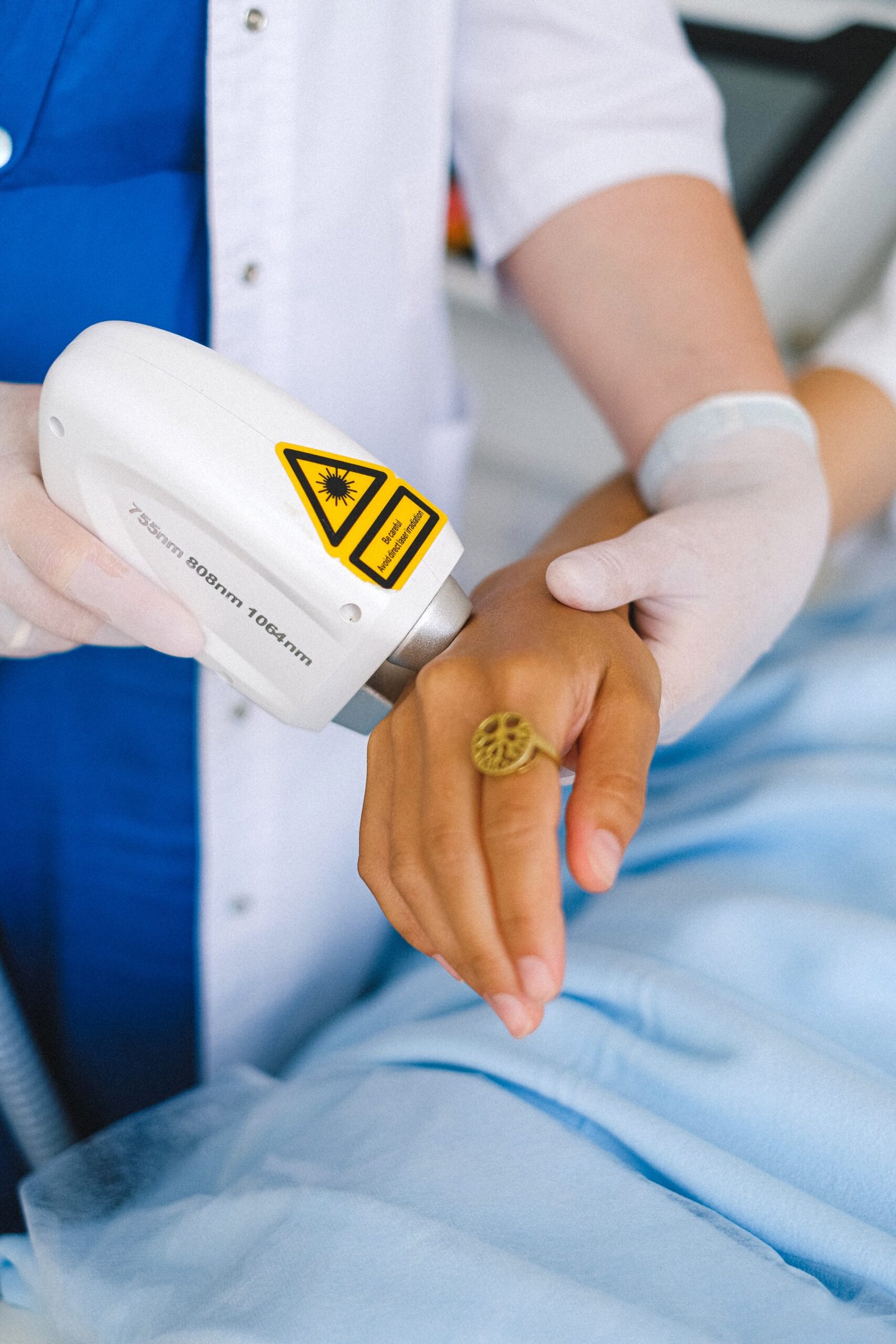
Unlike a laser, which typically uses a specific wavelength of light, IPL delivers a broad spectrum of carefully controlled light. Different settings and filters allow us to tailor treatment according to the skin concern being targeted.
At SR Integrated Health & Wellness Clinic, IPL treatments are selected following consultation and skin assessment. Your treatment settings and course are personalised according to your skin type, concern and clinical suitability.
A Personalised Approach to Skin
You do not need to decide whether IPL is the right technology before you come to see us.
We offer several advanced skin technologies, including IPL, laser treatments, professional skin resurfacing, microneedling and radiofrequency microneedling.
We will assess your skin and recommend the treatment — or combination of treatments — most appropriate for your concerns rather than taking a one-treatment-fits-all approach.
What Can IPL Treat?
Depending on your individual assessment, IPL may be used to improve the appearance of:
- Acne and acne-prone skin
- Inflammatory breakouts
- Redness
- Rosacea-associated facial redness in suitable patients
- Visible superficial vessels
- Uneven pigmentation
- Sun spots and sun damage
- Age spots
- Uneven skin tone
- Dull or tired-looking skin
- Fine lines and early signs of skin ageing
- Overall skin clarity and complexion
IPL for Acne
IPL can be particularly useful as part of a treatment programme for acne-prone skin.
Specific wavelengths of light can target porphyrins associated with acne-causing bacteria while also helping to reduce the appearance of inflammation and redness.
For patients experiencing ongoing breakouts, IPL may be incorporated into a wider skin plan alongside appropriate skincare and other clinic treatments.
Acne is multifactorial, so we will assess your skin and history rather than simply treating individual spots.
IPL for Redness & Vascular Concerns
IPL can target haemoglobin within superficial blood vessels, making it useful for selected vascular skin concerns.
It may help improve the appearance of:
- Diffuse facial redness
- Small visible superficial vessels
- Redness associated with rosacea in suitable patients
- Red marks remaining after inflammatory breakouts
The targeted light is absorbed by haemoglobin within the vessel, generating controlled heat. The treated vessel can then gradually become less visible as the body naturally processes it.
IPL for Pigmentation & Sun Damage
IPL can also target melanin within suitable superficial pigmentation.
It may be used to improve the appearance of sun spots, age spots, freckles and areas of uneven pigmentation following appropriate assessment.
Following treatment, targeted pigmentation can initially appear darker before gradually flaking or fading as the skin renews.
Not all pigmentation should be treated with IPL. Pigmented lesions and unexplained or changing areas of pigmentation require appropriate assessment before treatment.
IPL Skin Rejuvenation
IPL photorejuvenation can be used to improve several visible signs of skin ageing and sun damage at the same time.
By targeting unwanted pigmentation and redness while delivering controlled energy into the skin, treatment can help create a brighter, clearer and more even-looking complexion.
A course of treatment may improve:
- Overall skin tone
- Skin clarity
- Uneven pigmentation
- Redness
- Sun damage
- Dullness
- The appearance of fine lines
- Overall skin quality
What Happens During Treatment?
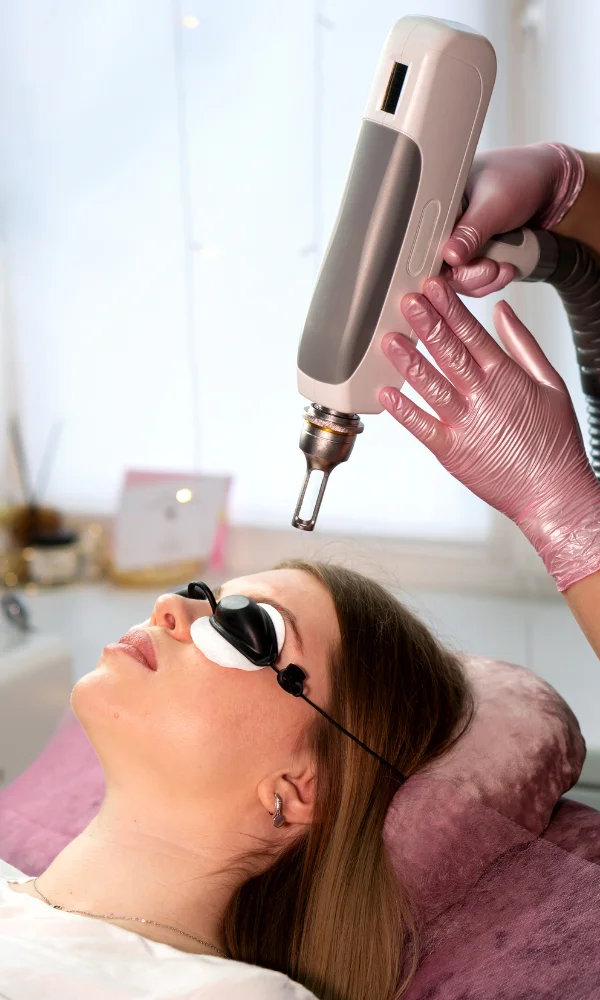
Following consultation and any required patch testing, your skin will be cleansed and protective eyewear provided.
A cooling gel may be applied before the IPL handpiece is passed across the treatment area.
You will see bright flashes of light and may experience a brief warm or snapping sensation as each pulse is delivered.
Treatment time varies depending on the size of the area and concern being treated.
How Many Treatments Will I Need?
The number of treatments required depends on the concern being treated, its severity and how your skin responds.
Although improvement may sometimes be seen following an individual treatment, IPL is commonly performed as a course to achieve progressive results.
Your practitioner will recommend an appropriate treatment schedule following assessment.
Is There Downtime?
IPL generally involves relatively little downtime, although your response will depend on the treatment performed.
Temporary effects can include:
- Redness
- Warmth
- Mild swelling
- Increased sensitivity
- Temporary darkening of treated pigmentation
When pigmentation is targeted, areas may become noticeably darker before gradually fading or flaking.
Vascular areas can also temporarily appear more prominent immediately following treatment.
Your practitioner will explain what to expect for your particular treatment.
Consultation & Patch Testing
IPL is not suitable for every skin type or every skin concern.
A consultation is required to assess your skin, medical history, medications, recent sun exposure and treatment goals.
Patch testing may also be required before your first full treatment.
Recent tanning, certain medications, active infections and some medical or skin conditions can affect suitability.
Aftercare & Sun Protection
Sun protection is particularly important when undergoing IPL.
You will receive treatment-specific aftercare and should follow the advice provided by your practitioner.
Daily broad-spectrum SPF and avoiding excessive sun exposure are important both before and after treatment, particularly when treating pigmentation.